
Work Permit Visa for
Singapore
Get in Touch
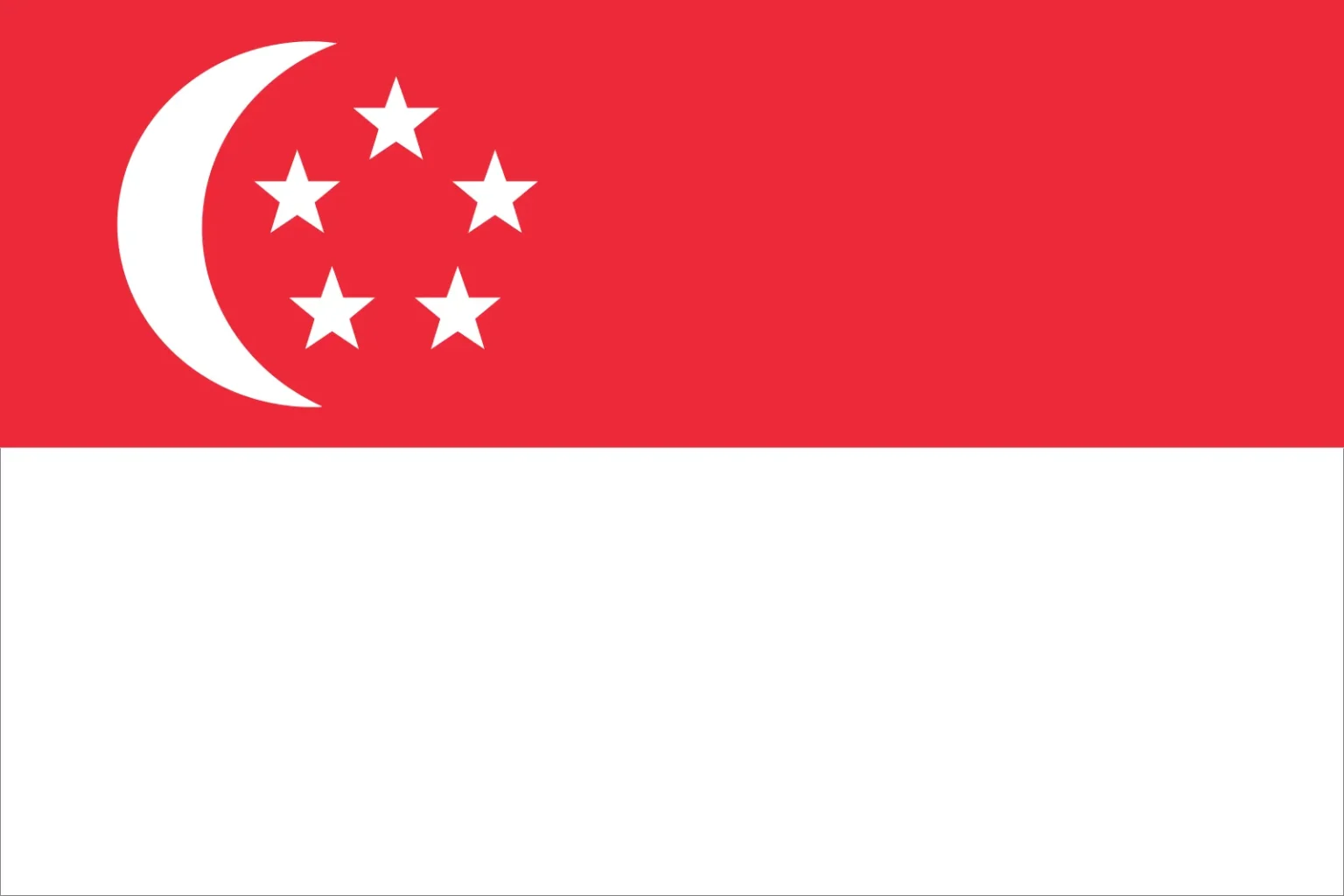
Singapore is recognized as one of the world’s most attractive destinations for international business, offering a stable economy, a highly skilled workforce, and a transparent regulatory environment. As companies continue to expand across borders, hiring talent in Singapore presents valuable opportunities—but it also requires compliance with local employment laws, payroll regulations, tax obligations, and statutory benefits.
An Employer of Record (EOR) provides a simple and efficient solution for businesses looking to hire employees in Singapore without establishing a local legal entity. Acting as the legal employer on your behalf, an EOR manages employment contracts, payroll, tax compliance, employee benefits, onboarding, and ongoing HR administration, while your company retains full control over the employee’s day-to-day responsibilities and performance.
Whether you’re hiring a single remote professional or building an entire team, an Employer of Record helps you enter the Singapore market faster, reduce administrative complexity, and ensure compliance with local labor regulations—allowing you to focus on growing your business with confidence.
Singapore at a glance
Singapore is a global financial and business hub renowned for its strategic location, strong economy, and innovation-driven environment. With a highly educated workforce, modern infrastructure, and business-friendly policies, it has become a preferred destination for multinational corporations, startups, and expanding enterprises. Its transparent legal framework and efficient government services make it one of the easiest places in the world to conduct business.
Capital: Singapore
Official Languages: English, Malay, Mandarin Chinese, and Tamil
Currency: Singapore Dollar (SGD)
Population: Approximately 6 million
Time Zone: Singapore Standard Time (SGT, UTC +8)
Government: Parliamentary Republic
Major Industries: Financial Services, Technology, Manufacturing, Biotechnology, Logistics, Healthcare, Tourism, and E-commerce
Ease of Doing Business: Consistently ranked among the world’s leading business destinations due to its stable economy, low corruption, and investor-friendly regulations.
Singapore’s strategic position in Southeast Asia also makes it an ideal gateway for businesses looking to expand across the Asia-Pacific region. Combined with a skilled talent pool and advanced digital infrastructure, it offers an excellent environment for companies seeking long-term growth and international success.
Singapore tax rate for employees
Singapore is known for its competitive and employee-friendly personal income tax system. Individual income tax is based on a progressive tax structure, meaning employees with higher taxable incomes pay a higher tax rate, while lower-income earners benefit from lower or even zero tax rates. Resident employees are taxed at rates ranging from 0% to 24%, depending on their annual chargeable income.
Foreign employees who qualify as non-tax residents are generally taxed at 15% on employment income or the resident progressive tax rates, whichever results in a higher tax liability. Other types of income, such as directors’ fees, may be subject to different tax rules.
Resident Employee Income Tax Rates
| Chargeable Annual Income (SGD) | Tax Rate |
|---|---|
| Up to 20,000 | 0% |
| 20,001 – 30,000 | 2% |
| 30,001 – 40,000 | 3.5% |
| 40,001 – 80,000 | 7% |
| 80,001 – 120,000 | 11.5% |
| 120,001 – 160,000 | 15% |
| 160,001 – 200,000 | 18% |
| 200,001 – 240,000 | 19% |
| 240,001 – 280,000 | 19.5% |
| 280,001 – 320,000 | 20% |
| 320,001 – 500,000 | 22% |
| 500,001 – 1,000,000 | 23% |
| Above 1,000,000 | 24% |
Additional Employee Tax Considerations
Income tax is administered by the Inland Revenue Authority of Singapore (IRAS).
Resident employees are taxed only on their chargeable income after eligible deductions and reliefs.
Employers are responsible for ensuring accurate payroll reporting and compliance with local tax regulations.
Singapore Citizens and Permanent Residents are generally required to contribute to the Central Provident Fund (CPF), while most foreign employees are exempt from CPF contributions unless they become Permanent Residents.
Essential Documents for Sweden’s Job Seeker Visa Application
The next stage is the preparation of the documents that have to be submitted along with your Visa application. These will make sure to avoid immediate rejection of your application. It is on the grounds of inability to fulfill all the requirements. Thus, you must ensure to arrange all the documents.
Documents’ Checklist for Sweden Job Seeker Visa:
Types of visas in Singapore
Types of Visas in Singapore
Singapore offers a range of work visas and passes designed to accommodate different categories of foreign professionals, skilled workers, entrepreneurs, and trainees. The appropriate visa depends on factors such as the applicant’s qualifications, salary, job role, and the employer’s requirements.
Employment Pass (EP)
The Employment Pass is intended for foreign professionals, managers, executives, and specialists. Applicants must meet the minimum qualifying salary and eligibility criteria set by the Ministry of Manpower (MOM). This pass is commonly used by multinational companies hiring skilled international talent.
S Pass
The S Pass is designed for mid-skilled foreign employees who meet specific salary and qualification requirements. Employers hiring S Pass holders must comply with quota limits and levy obligations.
Work Permit
The Work Permit is issued to semi-skilled foreign workers in sectors such as construction, manufacturing, marine shipyard, process, and selected service industries. Employers must follow industry-specific regulations, quotas, and levy requirements.
EntrePass
The EntrePass is available to eligible foreign entrepreneurs who wish to establish and operate an innovative business in Singapore. It is suitable for startup founders with scalable business ideas and strong growth potential.
Personalised Employment Pass (PEP)
The Personalised Employment Pass is intended for high-earning professionals. It offers greater flexibility than the standard Employment Pass, allowing holders to change employers without applying for a new pass, subject to applicable conditions.
Overseas Networks & Expertise (ONE) Pass
The ONE Pass is designed for top global talent in areas such as business, science, technology, academia, arts, and sports. It provides greater employment flexibility and enables eligible individuals to work for multiple companies simultaneously.
Training Employment Pass (TEP)
The Training Employment Pass is issued to foreign professionals undergoing practical training in Singapore for a limited period. It is commonly used by companies providing structured training programs.
Work Holiday Pass
The Work Holiday Pass allows eligible students and recent graduates from participating countries to work and holiday in Singapore for a specified duration. It is intended to promote cultural exchange and international work experience.
Dependant’s Pass
A Dependant’s Pass allows eligible spouses and children of Employment Pass, S Pass, or eligible work pass holders to live in Singapore. In certain situations, dependants may also be eligible to work after obtaining the necessary approvals.
Long-Term Visit Pass (LTVP)
The Long-Term Visit Pass is available for certain family members of eligible work pass holders who do not qualify for a Dependant’s Pass. It allows them to stay in Singapore for an extended period.
Choosing the Right Visa
Selecting the appropriate visa depends on several factors, including:
Nature of the job role
Employee qualifications and experience
Salary offered
Industry requirements
Employer eligibility
Duration of employment
Family relocation needs
Employers should ensure that all work pass applications comply with the latest regulations issued by Singapore’s Ministry of Manpower to ensure a smooth and compliant hiring process.
Benefits and compensation in Singapore
Singapore offers a competitive compensation framework that helps employers attract and retain skilled talent. While employment benefits may vary by industry and company policy, employers are required to comply with statutory employment laws and are encouraged to provide additional benefits that enhance employee satisfaction and well-being.
Minimum Wage
Singapore does not have a universal national minimum wage. Instead, certain sectors are covered under the Progressive Wage Model (PWM), which sets minimum wage requirements based on industry and job role. Employers should ensure they meet any applicable wage regulations.
Central Provident Fund (CPF)
Employers are required to contribute to the Central Provident Fund (CPF) for Singapore Citizens and Permanent Residents. CPF is a mandatory social security savings scheme that supports employees’ retirement, healthcare, and housing needs. Foreign employees holding work passes are generally exempt from CPF contributions unless they obtain Permanent Resident status.
Annual Leave
Under the Employment Act, employees are entitled to paid annual leave after completing at least three months of service. The minimum entitlement starts at 7 days during the first year of employment and increases with each year of service, up to 14 days.
Public Holidays
Employees are entitled to 11 paid public holidays each year. If an employee is required to work on a public holiday, they must receive appropriate compensation in accordance with employment regulations.
Sick Leave
Eligible employees who have worked for at least three months are entitled to paid sick leave, subject to certification by a registered medical practitioner. Depending on the length of service, employees may receive:
Up to 14 days of outpatient sick leave
Up to 60 days of hospitalization leave (inclusive of outpatient sick leave)
Maternity Leave
Eligible working mothers are entitled to 16 weeks of paid maternity leave, subject to meeting the eligibility criteria under Singapore law. The leave helps support mothers before and after childbirth.
Paternity Leave
Eligible working fathers are entitled to paid paternity leave, allowing them to spend time with their newborn child while continuing to receive income, subject to government eligibility requirements.
Childcare Leave
Working parents with eligible children may receive paid childcare leave each year to care for their children’s health and welfare, in accordance with statutory regulations.
Health Insurance
Although not mandatory for all employees, many employers provide private health insurance as part of their benefits package. Comprehensive medical coverage is considered a valuable employee benefit and helps organizations remain competitive in the job market.
Performance Bonuses
Performance-based bonuses are common in Singapore. Many employers offer annual bonuses, variable bonuses, or incentive programs based on individual, team, or company performance.
Flexible Benefits
To improve employee satisfaction, many organizations also offer additional benefits such as:
Flexible working arrangements
Remote or hybrid work options
Professional training and development
Wellness and mental health programs
Life and accident insurance
Employee assistance programs
Transportation or meal allowances
Mobile phone or internet reimbursement
Why Competitive Benefits Matter
A well-designed compensation and benefits package helps employers attract top talent, improve employee engagement, and reduce turnover. Companies expanding into Singapore should ensure their compensation strategy aligns with local employment standards while remaining competitive within their industry.
Worker rights
Singapore has a well-established employment framework that protects the rights of employees while promoting fair and productive workplace practices. The Employment Act sets out the basic terms and conditions of employment for most employees, covering areas such as working hours, leave entitlements, salary payments, and termination procedures. Employers are expected to comply with these regulations and provide a safe, respectful, and non-discriminatory work environment.
Right to a Written Employment Contract
Employees are entitled to receive clear written employment terms outlining their job responsibilities, salary, working hours, leave entitlements, notice period, and other key conditions of employment. This helps ensure transparency between employers and employees.
Right to Fair Wages
Employees have the right to receive their agreed salary on time and in accordance with their employment contract. Employers must provide itemized payslips and comply with all applicable payroll and tax regulations.
Working Hours and Overtime
Employees covered under the Employment Act are protected by regulations governing normal working hours, rest days, and overtime pay. Employers must compensate eligible employees for overtime work in accordance with legal requirements.
Annual Leave and Public Holidays
Eligible employees are entitled to paid annual leave based on their length of service, as well as paid public holidays. Employers must provide appropriate compensation if employees are required to work on designated public holidays.
Sick Leave and Medical Benefits
Employees who meet the eligibility requirements are entitled to paid outpatient and hospitalization leave when certified by a registered medical practitioner. Employers must respect these leave entitlements and applicable medical benefits.
Family Leave Rights
Eligible employees may receive statutory maternity leave, paternity leave, childcare leave, and adoption-related leave under Singapore law. These benefits support employees in balancing work and family responsibilities.
Workplace Safety and Health
Employees have the right to work in a safe and healthy environment. Employers are responsible for implementing workplace safety measures, providing appropriate training, and complying with occupational health and safety regulations to minimize workplace risks.
Protection Against Wrongful Dismissal
Employees are protected against wrongful or unfair dismissal. Employers must follow lawful termination procedures and provide the required notice or payment in lieu of notice, unless termination is due to serious misconduct.
Freedom from Workplace Discrimination
Employers are expected to make employment decisions based on merit and qualifications rather than factors such as age, gender, race, religion, nationality, marital status, or disability. Fair and inclusive employment practices are strongly encouraged.
Right to Privacy
Employers must handle employees’ personal information responsibly and comply with Singapore’s data protection requirements. Personal data should only be collected, used, and disclosed for legitimate business purposes.
Right to Raise Workplace Concerns
Employees have the right to report workplace grievances, discrimination, harassment, or safety concerns through appropriate internal procedures or relevant government authorities without fear of retaliation.
Employee Responsibilities
In addition to their rights, employees are expected to:
- Perform their duties professionally and responsibly.
- Follow workplace policies and safety procedures.
- Maintain confidentiality of company information.
- Treat colleagues and customers with respect.
- Comply with the terms of their employment contract.
Creating a Fair Workplace
Respecting employee rights helps organizations build a positive workplace culture, improve employee engagement, and maintain compliance with Singapore’s employment laws. Employers that prioritize fairness, transparency, and employee well-being are better positioned to attract and retain top talent.
What is the processing time for Sweden Job Seeker Visa?
The processing period for the Job Seeker Visa is typically about four to six weeks, in accordance with the standard timeline set by the Swedish Consulate. However, the actual processing duration is heavily contingent on your promptness in submitting all the necessary documents.
Leave policy
Singapore’s leave policy is governed primarily by the Employment Act, which establishes the minimum leave entitlements for eligible employees. In addition to statutory leave, many employers offer enhanced benefits to attract and retain top talent. Understanding these leave provisions is essential for maintaining compliance and supporting employee well-being.
Annual Leave
Employees who have worked for an employer for at least three months are entitled to paid annual leave. The statutory entitlement starts at 7 days in the first year of service and increases by one day for each additional year of service, up to a maximum of 14 days.
Public Holidays
Employees are entitled to 11 paid public holidays each year. If an employee is required to work on a public holiday, they must receive an additional day’s salary or a substitute day off, depending on the employment arrangement.
Sick Leave
Employees who have completed at least three months of service are eligible for paid sick leave if certified by a registered medical practitioner.
The statutory entitlement includes:
- Up to 14 days of paid outpatient sick leave
- Up to 60 days of paid hospitalization leave (including outpatient sick leave)
Maternity Leave
Eligible female employees are entitled to 16 weeks of paid maternity leave, subject to meeting the eligibility requirements under Singapore law. This leave supports mothers before and after childbirth.
Paternity Leave
Eligible fathers are entitled to paid paternity leave to care for and bond with their newborn child. The duration and eligibility are determined by current government regulations.
Shared Parental Leave
Eligible parents may have access to shared parental leave arrangements, allowing them greater flexibility in balancing work and family responsibilities.
Childcare Leave
Working parents with eligible children are entitled to paid childcare leave each year to care for their child’s health and well-being, subject to statutory conditions.
Adoption Leave
Eligible adoptive parents may qualify for paid adoption leave, helping families during the adoption process and the child’s transition into the home.
Compassionate Leave
Although compassionate (bereavement) leave is not mandated under the Employment Act, many employers voluntarily provide 2–5 days of paid leave following the death of an immediate family member.
Marriage Leave
Marriage leave is not a statutory requirement in Singapore. However, many organizations offer paid marriage leave as part of their employee benefits package.
Study and Training Leave
Some employers provide paid or unpaid study leave to support employees pursuing professional certifications, higher education, or job-related training.
Unpaid Leave
Employees may request unpaid leave for personal, family, educational, or medical reasons. Approval is generally at the employer’s discretion unless otherwise specified in the employment contract or company policy.
Leave Management Best Practices
Employers should establish a clear leave policy that includes:
- Leave eligibility and entitlements
- Leave application and approval procedures
- Notice requirements
- Documentation for medical or special leave
- Leave carry-forward and encashment rules
- Compliance with statutory leave requirements
A transparent leave policy helps ensure compliance with Singapore’s employment laws while promoting employee satisfaction, productivity, and work-life balance.
COUNTRY
- Canada
- Australia
- Germany
- UK
- USA
- New Zealand
- Dubai
- Singapore
- Ireland
- Italy
How can we help you?
Contact us at the Consulting WP office nearest to you or submit a business inquiry online.
Blog

Get In Touch With Us
Get in Touch